Hamilton County, TN & North Georgia · IECC Climate Zone 4A
Spray Foam, Attic & Crawl Space Insulation for the Tennessee Valley
Open-cell & closed-cell spray foam, conditioned attic conversions, and crawl space encapsulation built for humid IECC Climate Zone 4A. Free on-site estimates, honest recommendations, no obligation.
- Zone 4A
- IECC Climate Spec
- 7
- Service verticals
- 16
- Cities served

SPFA Master Installer
PCP Certified Pro · Zone 4A

Zone 4A Climate Spec
Class II Vapor Retarder

Lifetime Adhesion
Zero Sag · 100% Guaranteed
What we do
Seven insulation & crawl space services
Spray Foam Insulation
Open-cell and closed-cell spray polyurethane foam that air-seals and insulates in a single step for attics, walls, bonus rooms over garages, and cantilevered floors across the Tennessee Valley.
Learn more →Attic Insulation & Air Sealing
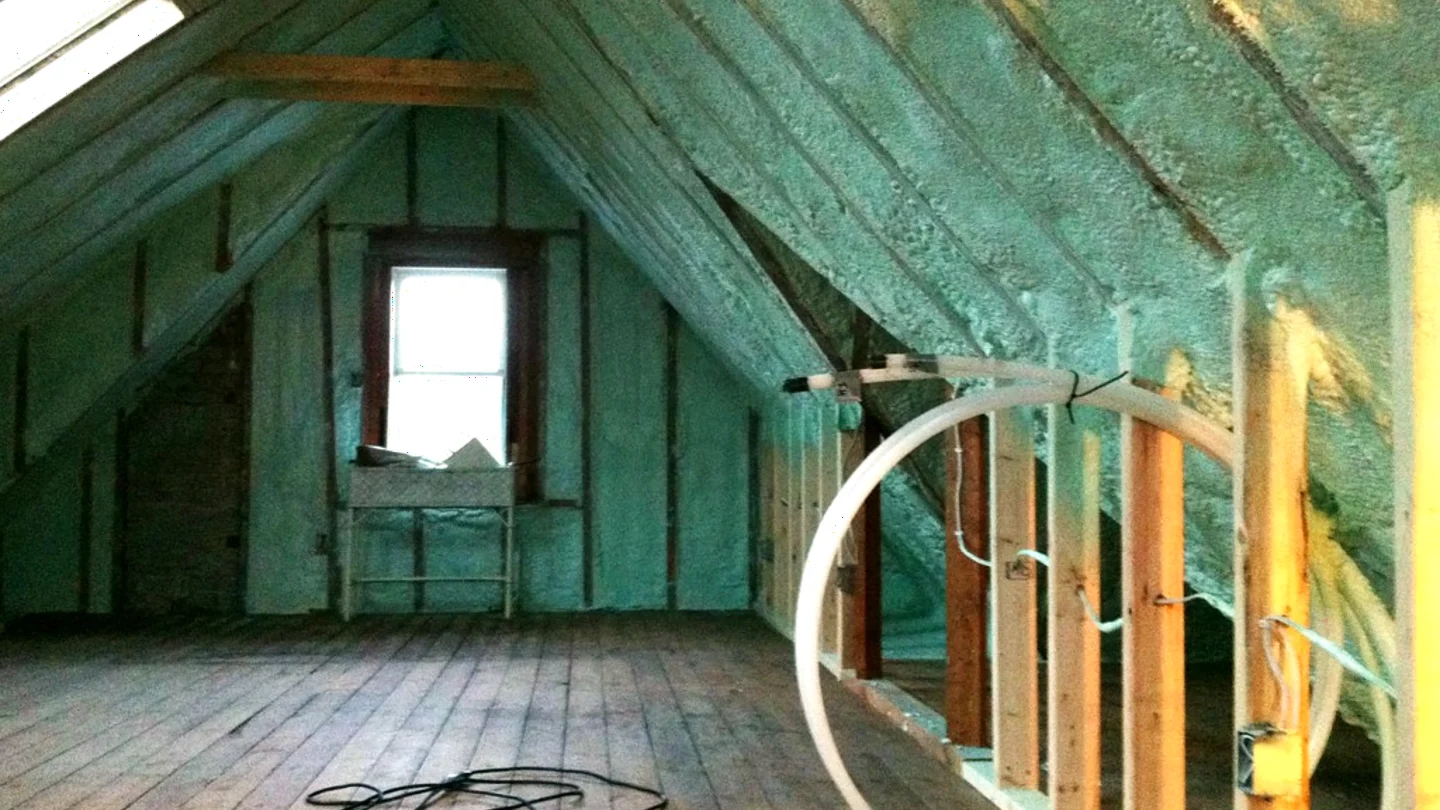
Convert hot vented attics into sealed conditioned spaces with roofline spray foam, seal top plates and ductwork, and top up with high-R blown-in fiberglass or cellulose for a cooler, lower-bill home.
Learn more →Crawl Space Encapsulation
Heavy-duty reinforced vapor barriers, closed-cell foam on rim joists and foundation walls, commercial dehumidification, and drainage integration that stop subfloor moisture and cupped hardwoods.
Learn more →Metal Building & Pole Barn Foam
Closed-cell spray foam for steel walls and roof decks that stops metal condensation and sweating, controls shop climate, and seals agricultural and red-iron buildings across the Tennessee Valley.
Learn more →New Construction Insulation
Whole-home thermal envelope packages, hybrid flash-and-batt assemblies, interior wall soundproofing, and energy-code blower-door readiness for new homes and additions across Hamilton County.
Learn more →Insulation Removal & Restoration
Vacuum extraction of wet, compacted, smoke-damaged, or pest-contaminated fiberglass and cellulose, followed by air sealing and installation of fresh insulation to restore a clean attic.
Learn more →Commercial & Warehouse Insulation
Metal roof-deck retrofits, climate-controlled storage facilities, office and retail buildouts, and acoustic insulation for commercial buildings across the Tennessee Valley.
Learn more →Built for the climate
Why spray foam wins in humid Tennessee
IECC Climate Zone 4A stays hot and humid all summer, with damp crawl spaces near the river and ridge homes exposed to wind. Spray foam air-seals and insulates in one pass, controls moisture at the sheathing and rim joist, and stops air leakage where fiberglass batts let humid air pass through.
- ✓Built-in vapor retarder (closed-cell) for humid attics & crawls
- ✓Stops metal roof condensation & duct sweat
- ✓Brings ductwork inside the thermal envelope
- ✓30+ year lifespan with no settling
How We Work
Our 4-Step Building Science Process
From infrared thermal imaging to blower-door pressure verification, every job follows rigorous SPFA quality standards.
 Step 1
Thermal Audit & Inspection
We pinpoint air infiltration, thermal bypasses, and moisture traps before formulating a scope.
 Step 2
Containment & Site Masking
Clean poly runners protect floors, and negative air ventilation seals living spaces completely.
 Step 3
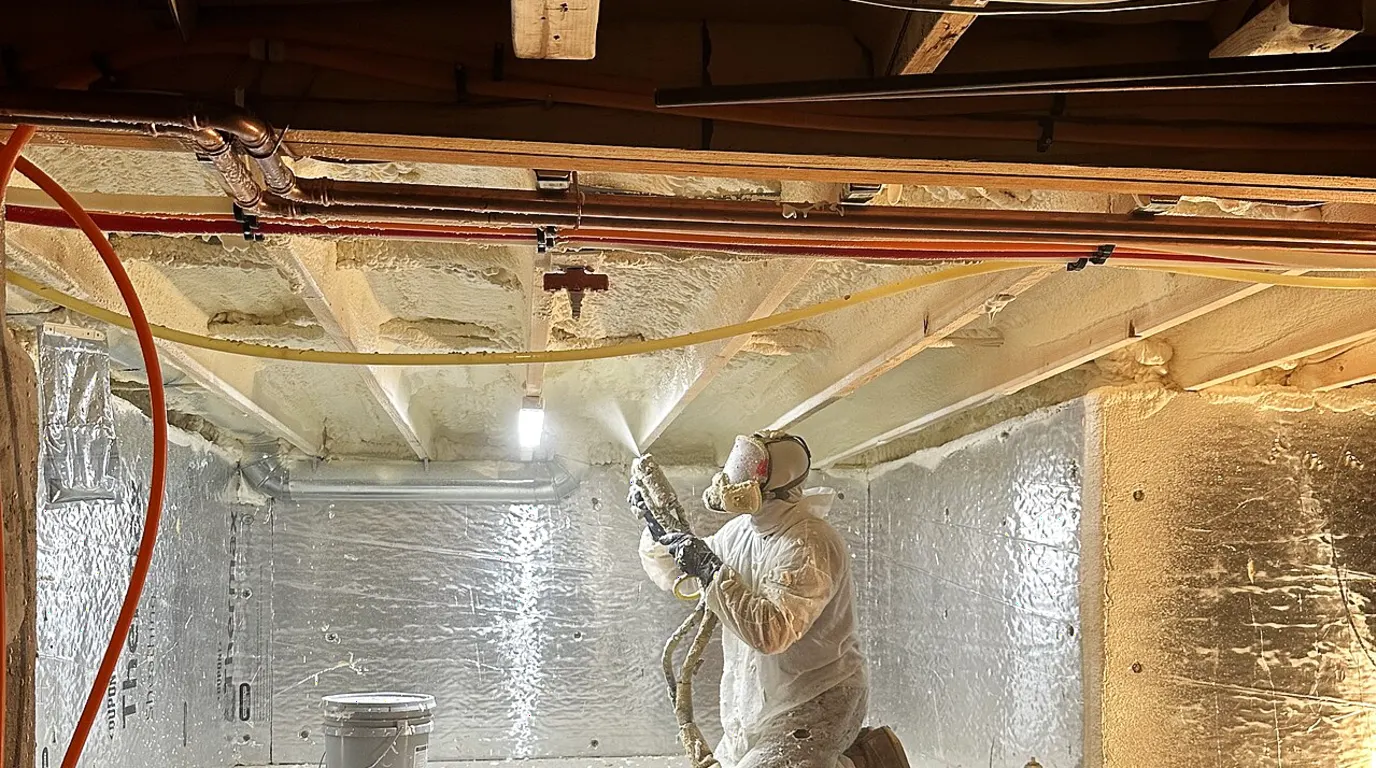
Precision Heated Application
Chemicals heated to 125°F at 1,200 PSI yield seamless monolithic air seals between framing members.
 Step 4
Depth & Blower-Door Testing
We measure cured foam depth with steel pin gauges and verify whole-house airtightness.
Commercial-Grade Equipment
Commercial Rigs, Digital Proportioners & NIOSH PPE
We never use disposable DIY foam tanks. Our custom trailers feature Graco Reactor E-30 digital proportioners for exact 1:1 chemical ratio control.
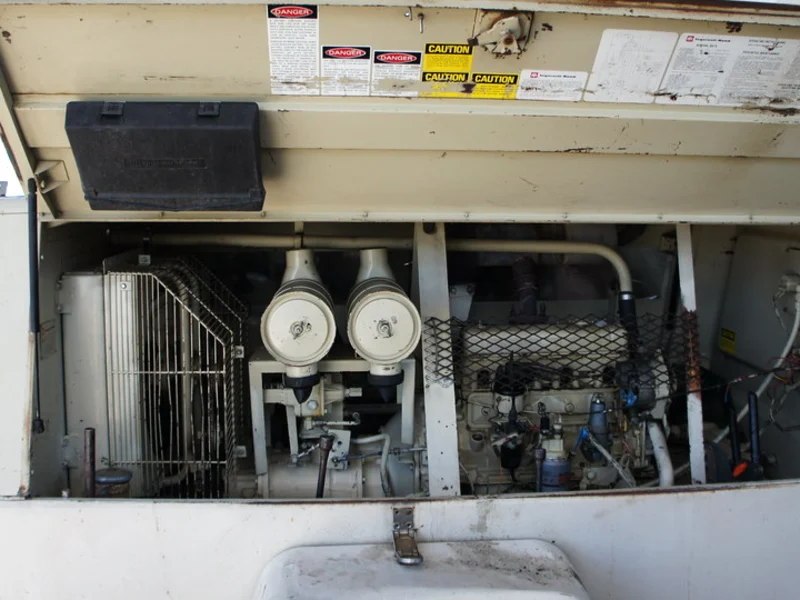
Graco Reactor E-30 Rig
Dual-pump digital metering system guarantees exact chemical stoichiometry and temperature at the gun tip.
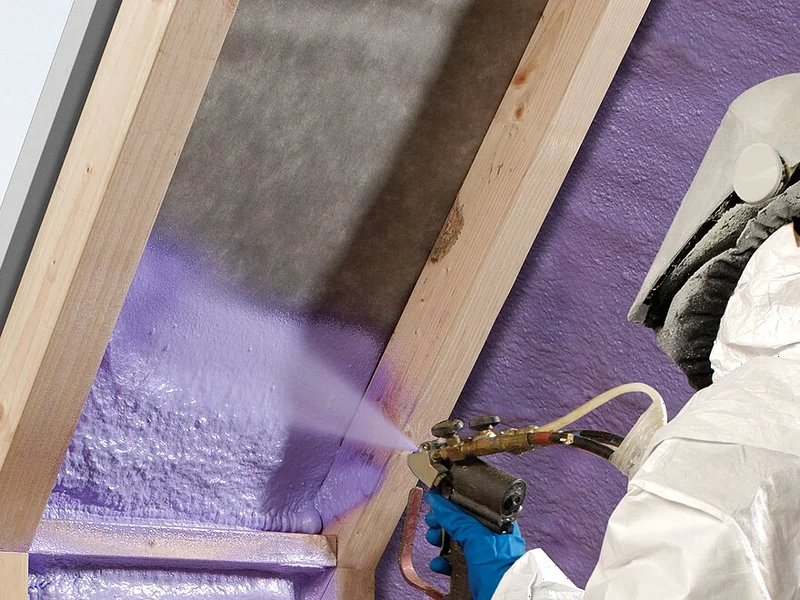
Graco Fusion AP Gun
Air-purge mechanical impingement mixing prevents overspray and lays consistent 1.5–2.0" closed-cell lift passes.
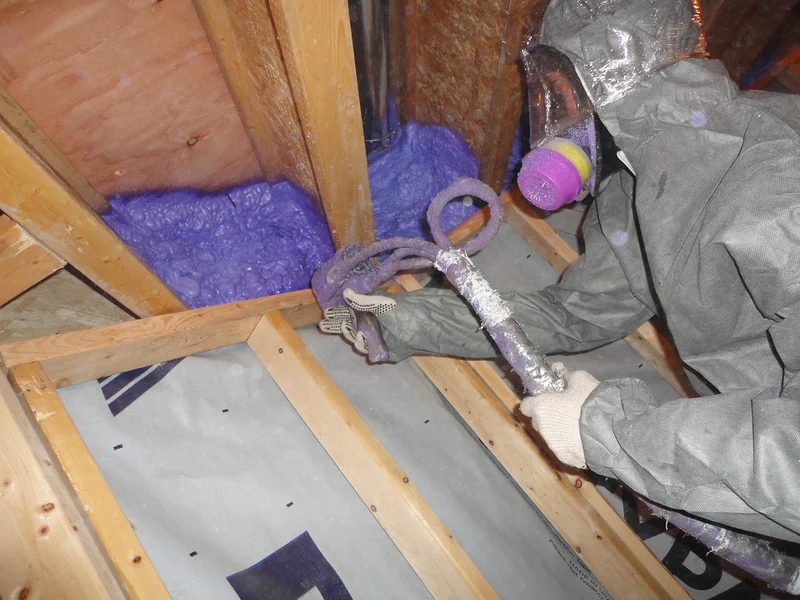
Supplied-Air Respirators & PPE
Fresh grade-D breathing air supplied to full-face masks ensures technician safety and flawless on-site protocol.
Proven Transformations
Interactive Before & After Comparisons
Drag the sliders to inspect real jobsite transformations across Chattanooga attics, crawl spaces, and steel buildings.
Vented Attic vs. Conditioned Roofline Conversion
Zone 4A Attic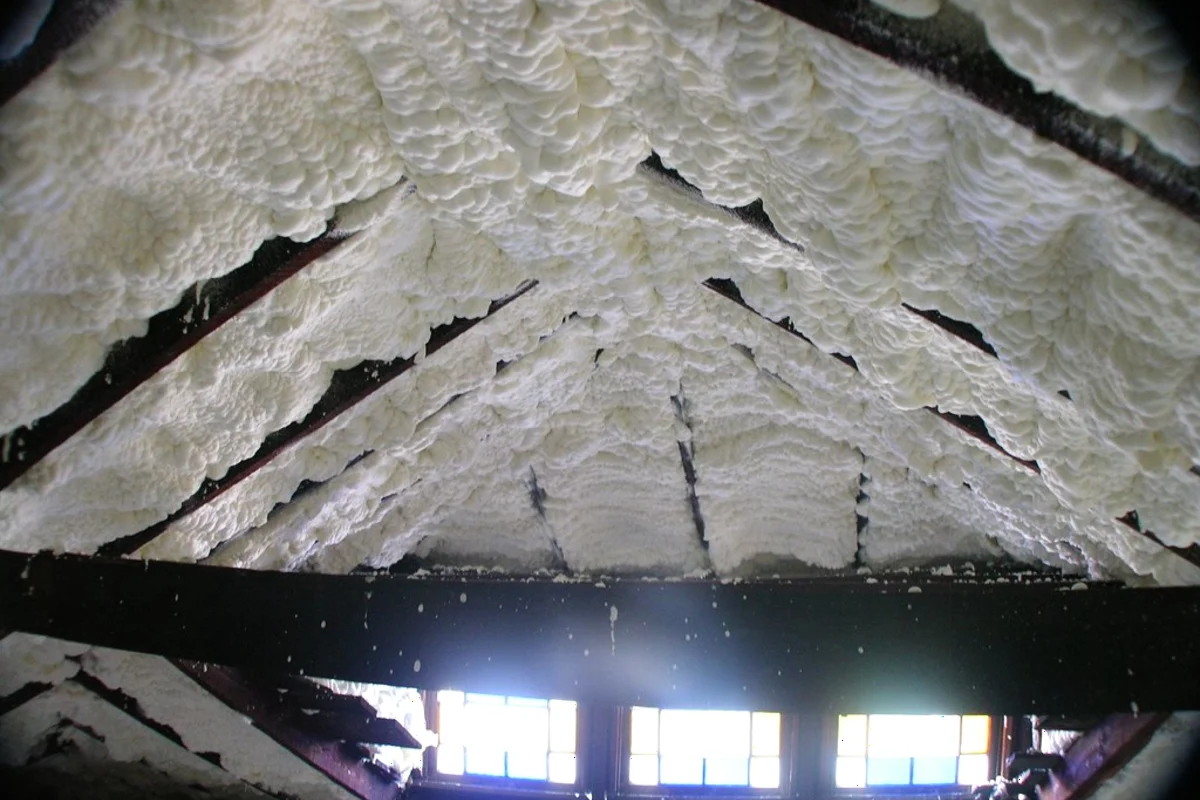
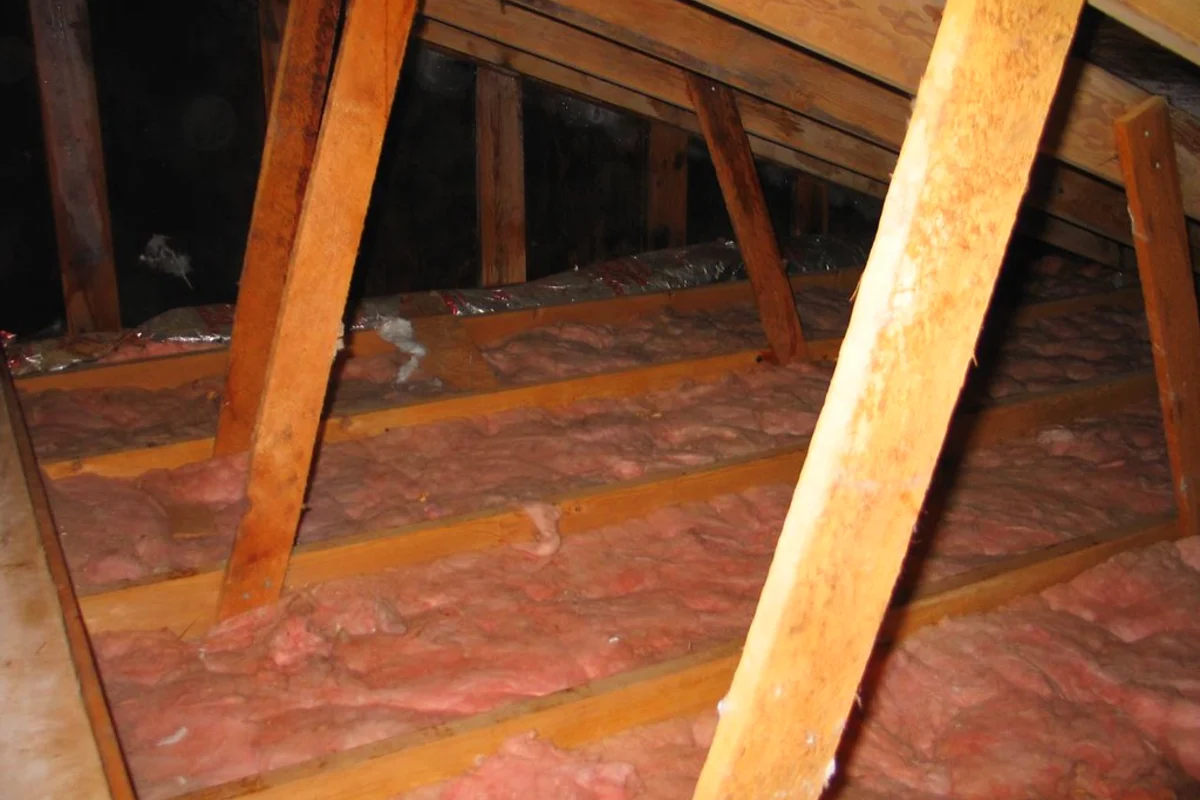
Converting an unconditioned vented attic to a sealed spray foam roofline brings HVAC equipment and ductwork inside the thermal envelope, cutting cooling loads by up to 40% in Chattanooga summers.
Damp Dirt Crawl Space vs. 20-Mil CleanShield Encapsulation
Moisture Defense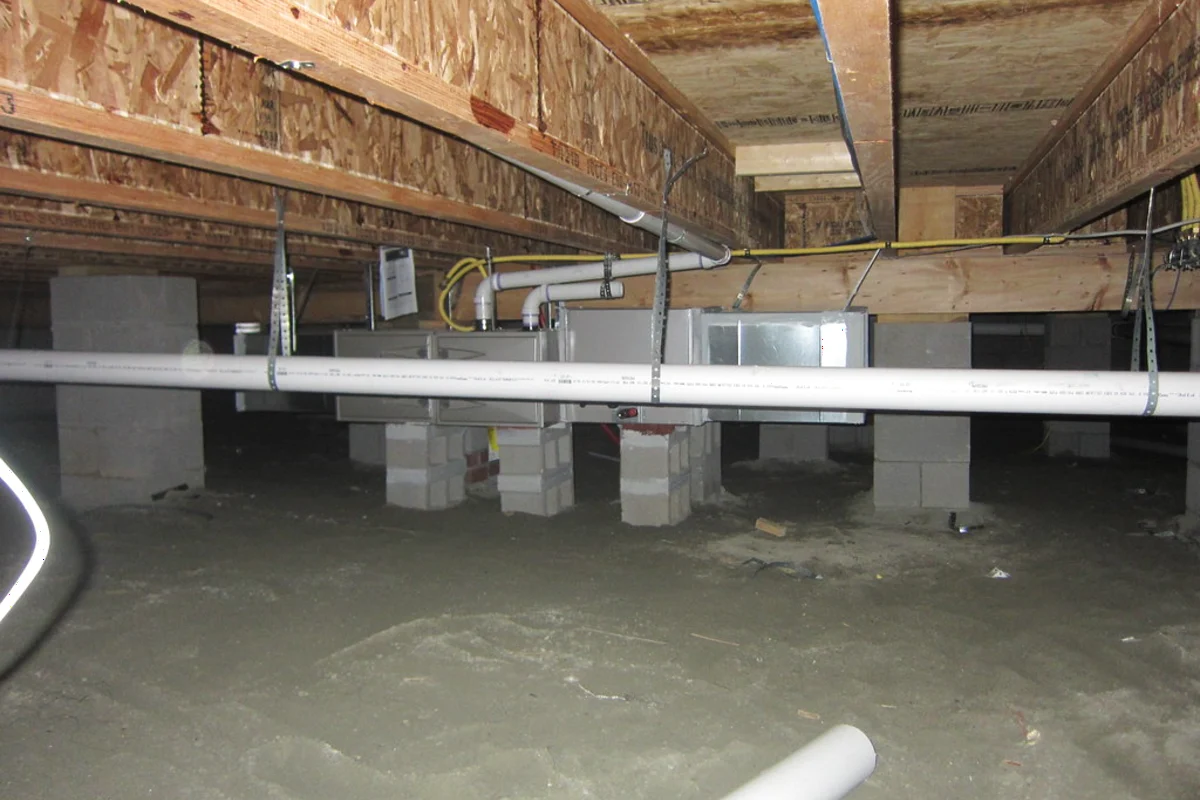
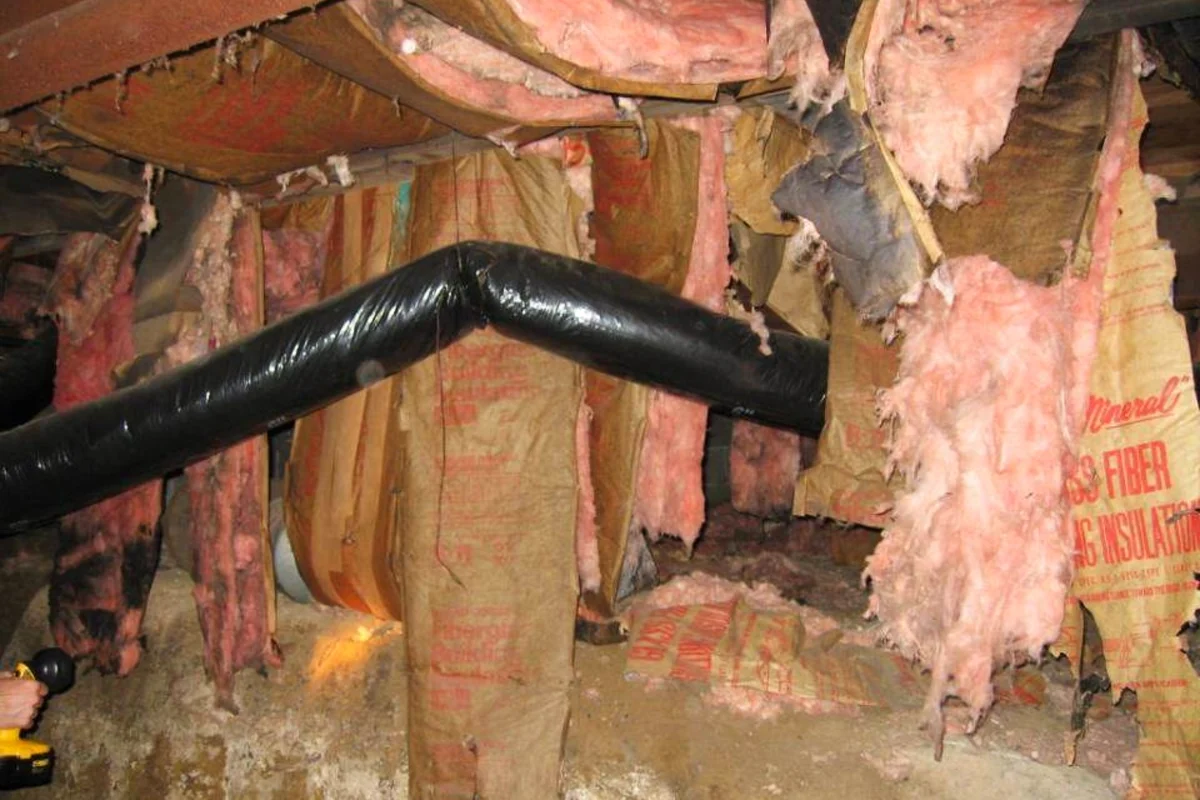
High ground humidity causes wood rot and hardwood floor cupping. Full crawl space encapsulation seals out ground moisture, insulates foundation walls, and keeps subfloors bone-dry.
Sweating Corrugated Steel vs. Closed-Cell Monolithic Barrier
Commercial & Shop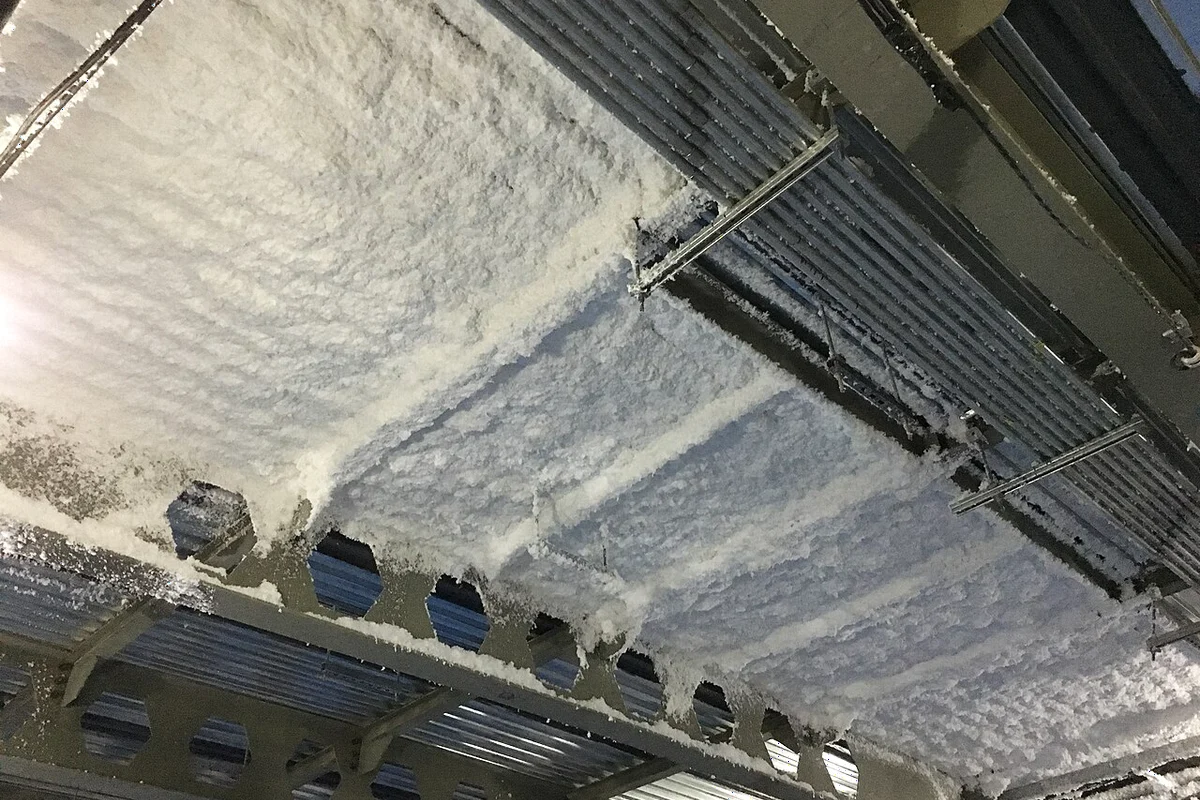
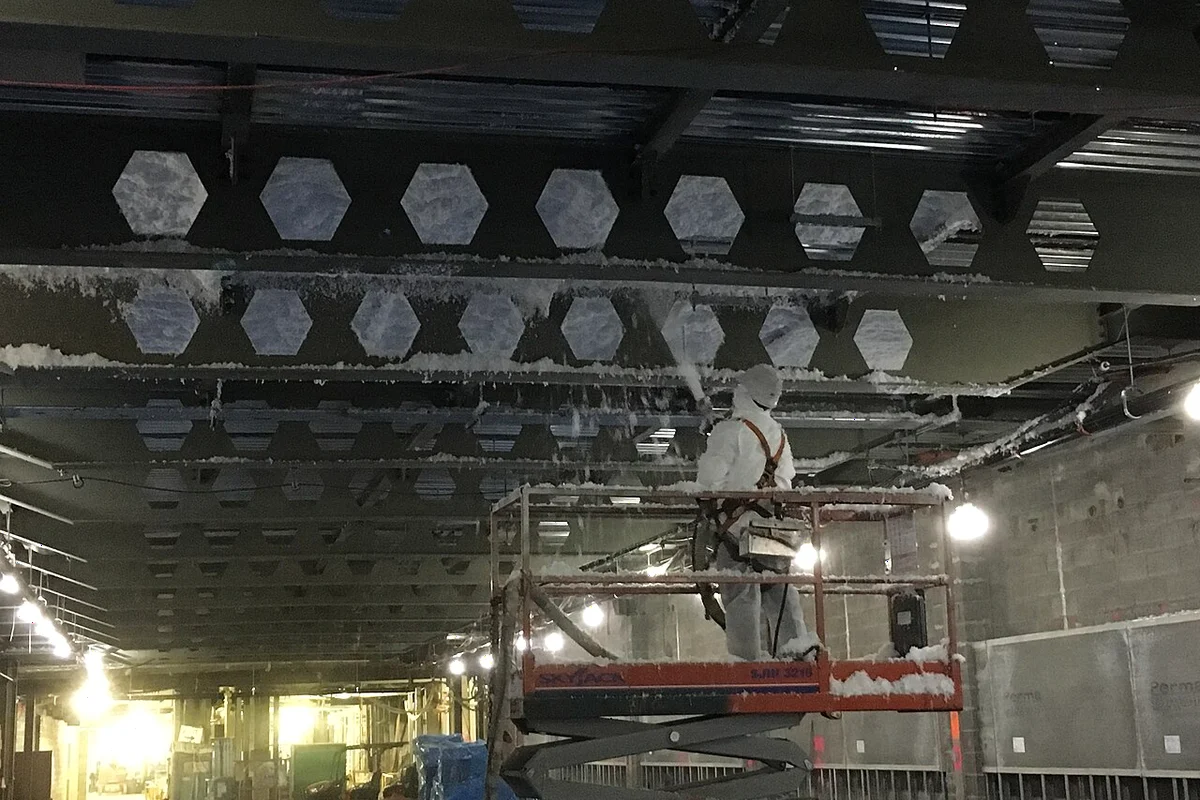
Bare metal roofs sweat profusely in Tennessee humidity, dripping condensation on tools, equipment, and inventory. 2 inches of closed-cell foam permanently stops condensation and provides structural shear strength.
Rodent-Damaged Cellulose vs. Vacuumed & Polyurethane Air-Sealed
Indoor Air Quality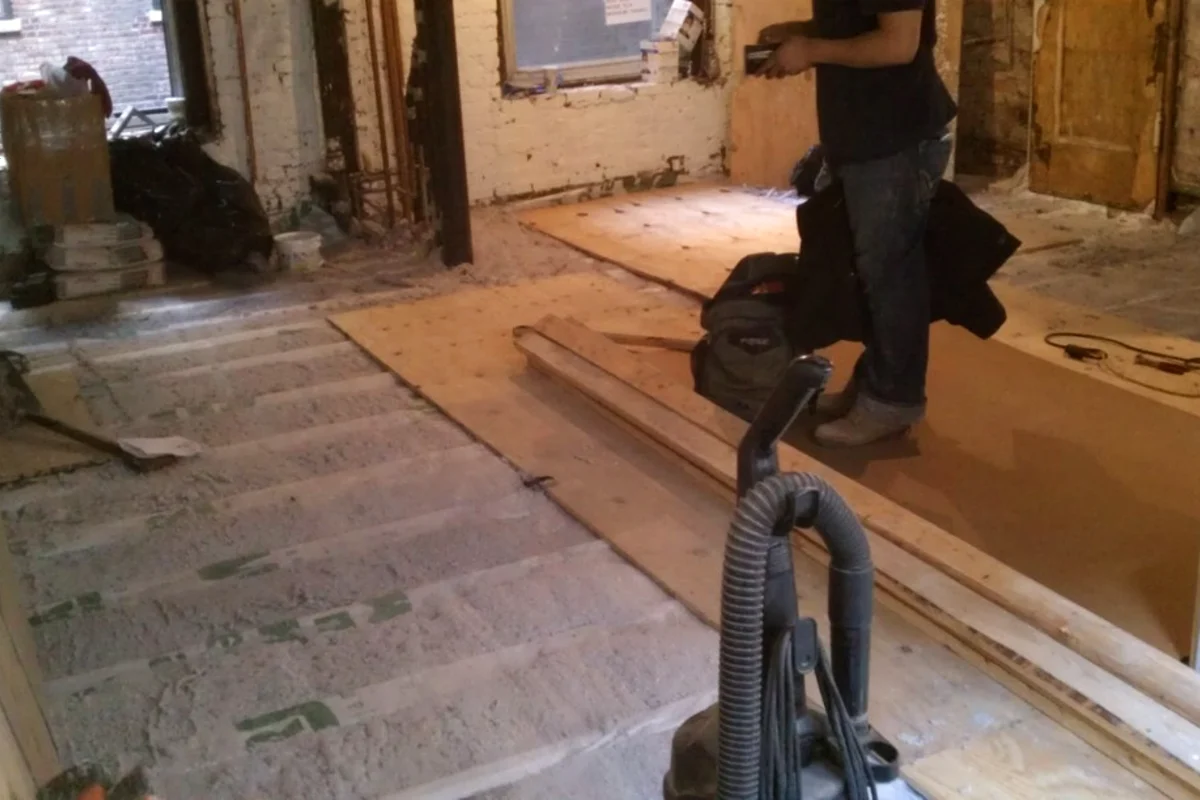
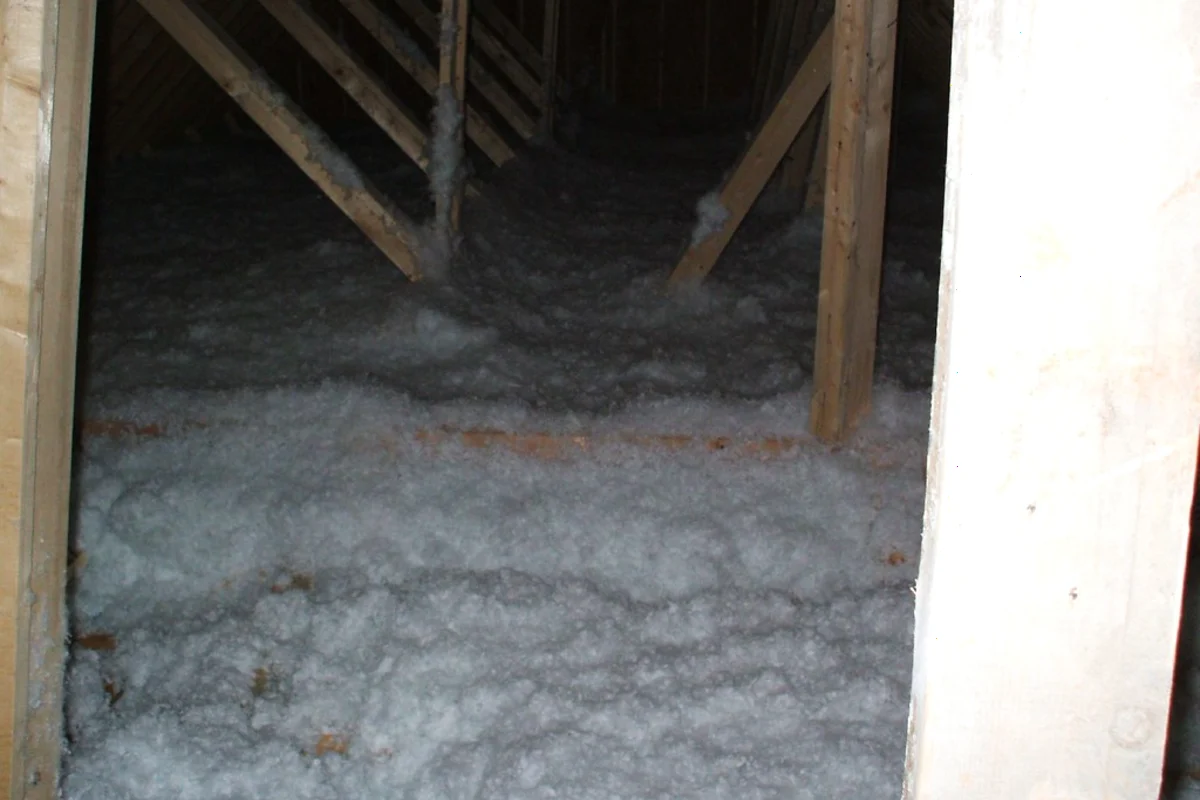
Old, contaminated insulation leaks conditioned air and harbors allergens. High-powered HEPA vacuum extraction removes debris down to bare framing, followed by precision air-sealing of every ceiling electrical chase.
Proven Work Across the Tennessee Valley
See actual jobsite photography and blower-door performance results from our crews working throughout Chattanooga, Hamilton County, and North Georgia.
Unvented Roofline Closed-Cell Conversion
"Cut July AC runtimes by 42% and the bonus room over the garage finally stays at 72° in the afternoon."
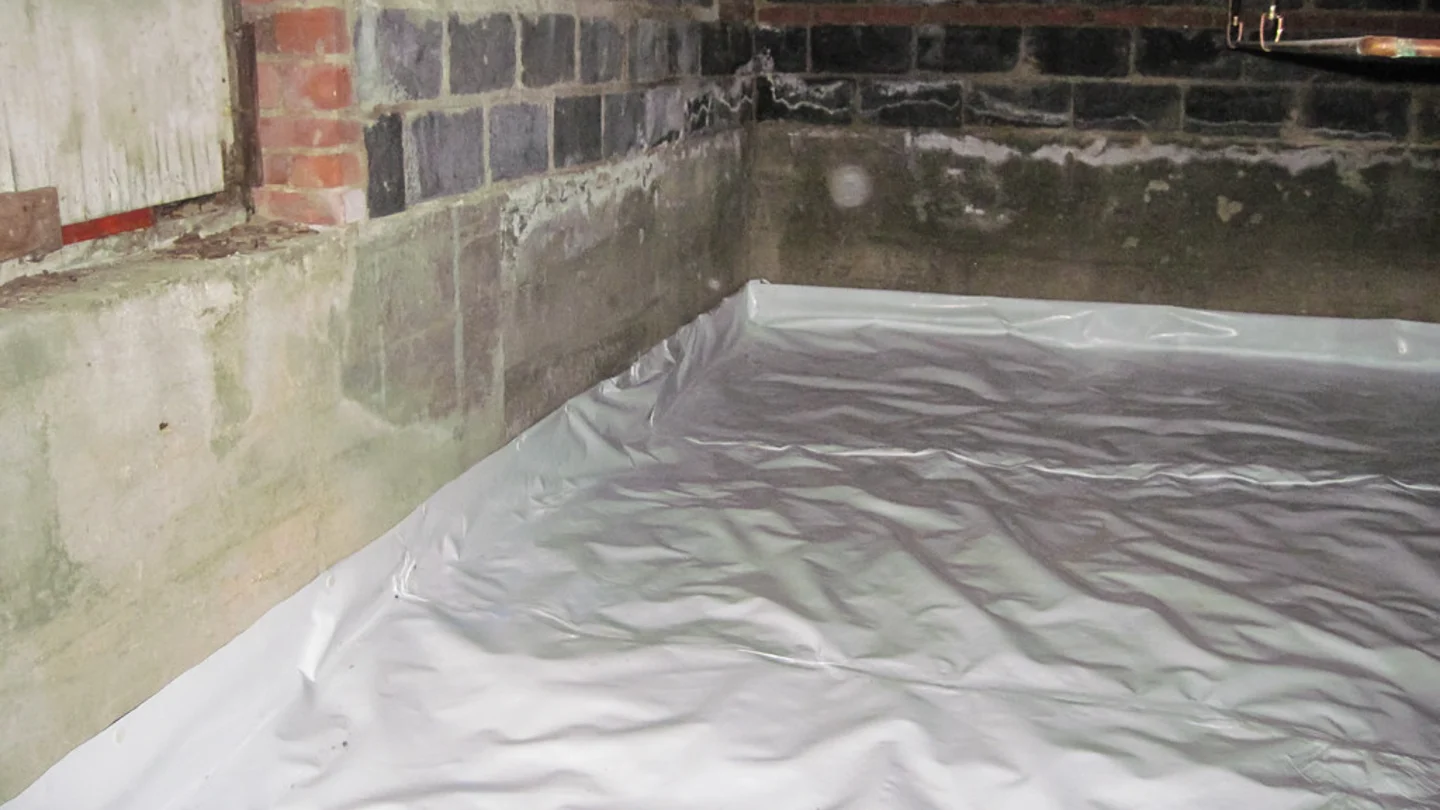
Lakefront 20-Mil CleanShield Encapsulation
"Hardwood cupping completely stopped within 3 weeks of sealing the dirt and installing the dehumidifier."
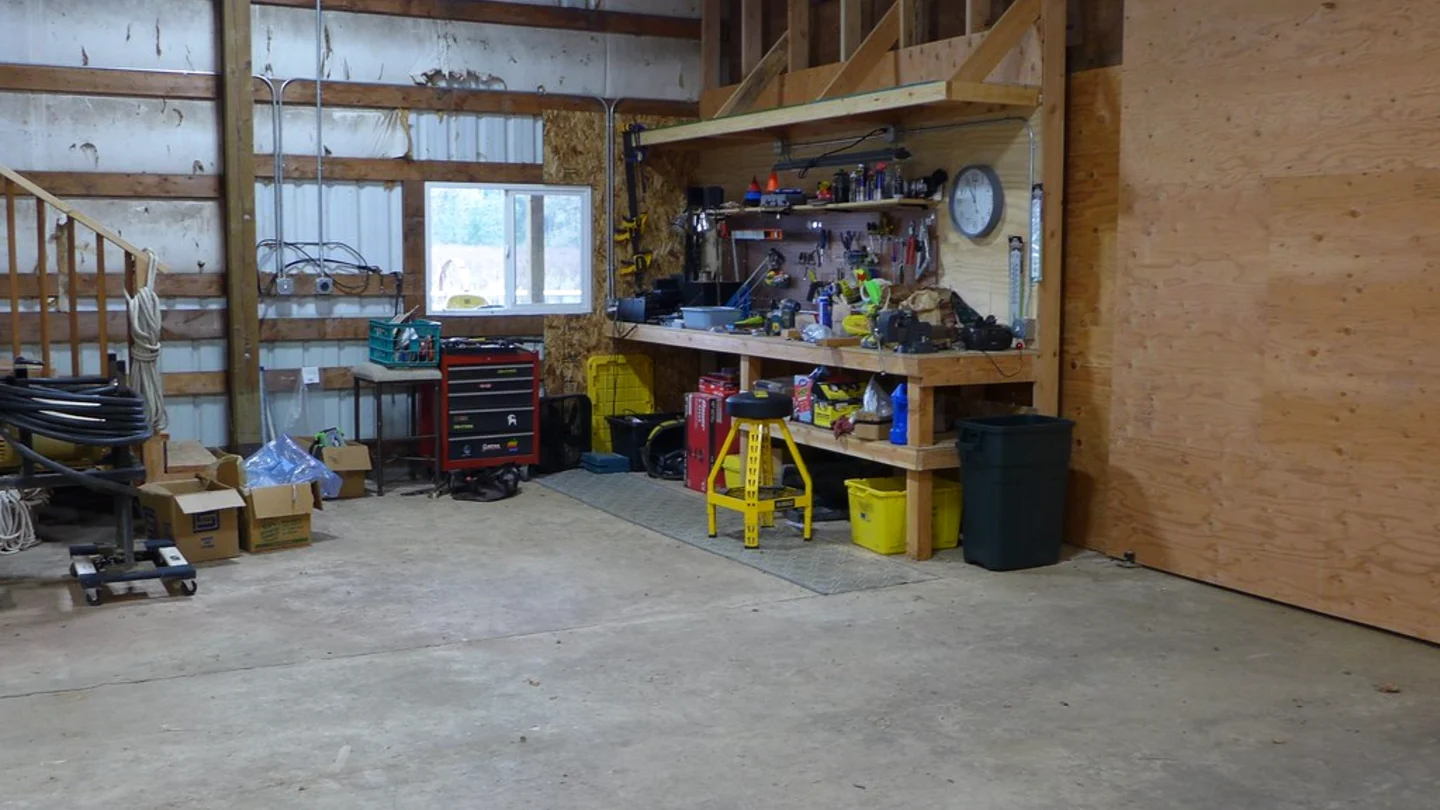
40x60 Steel Workshop Monolithic Barrier
"Zero roof sweating on humid mornings. We heat and cool the entire 2,400 sq ft shop with a single 2-ton mini split."
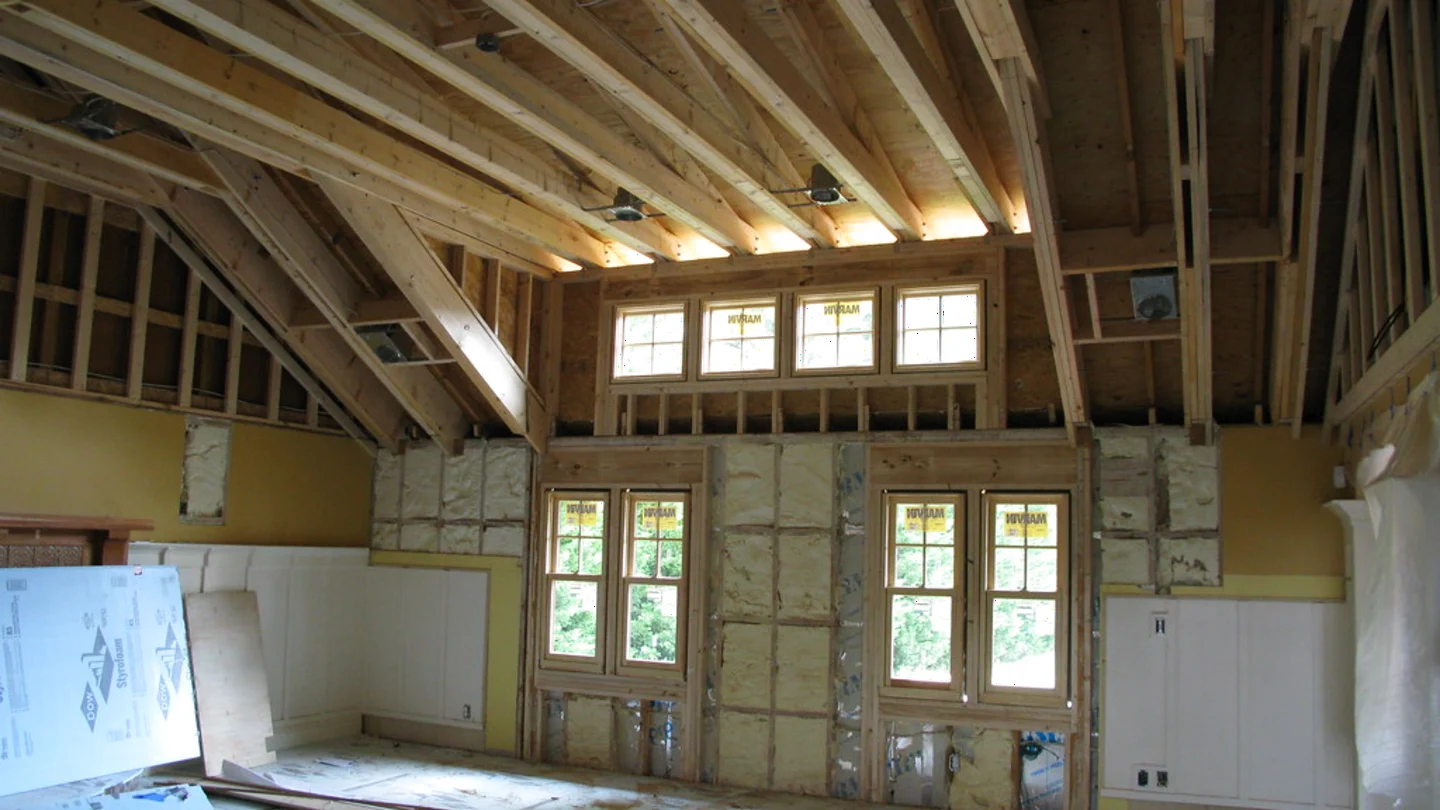
Custom Timber-Frame Hybrid Thermal Envelope
"Blower door test scored 1.4 ACH50, easily beating Chattanooga building code requirements."
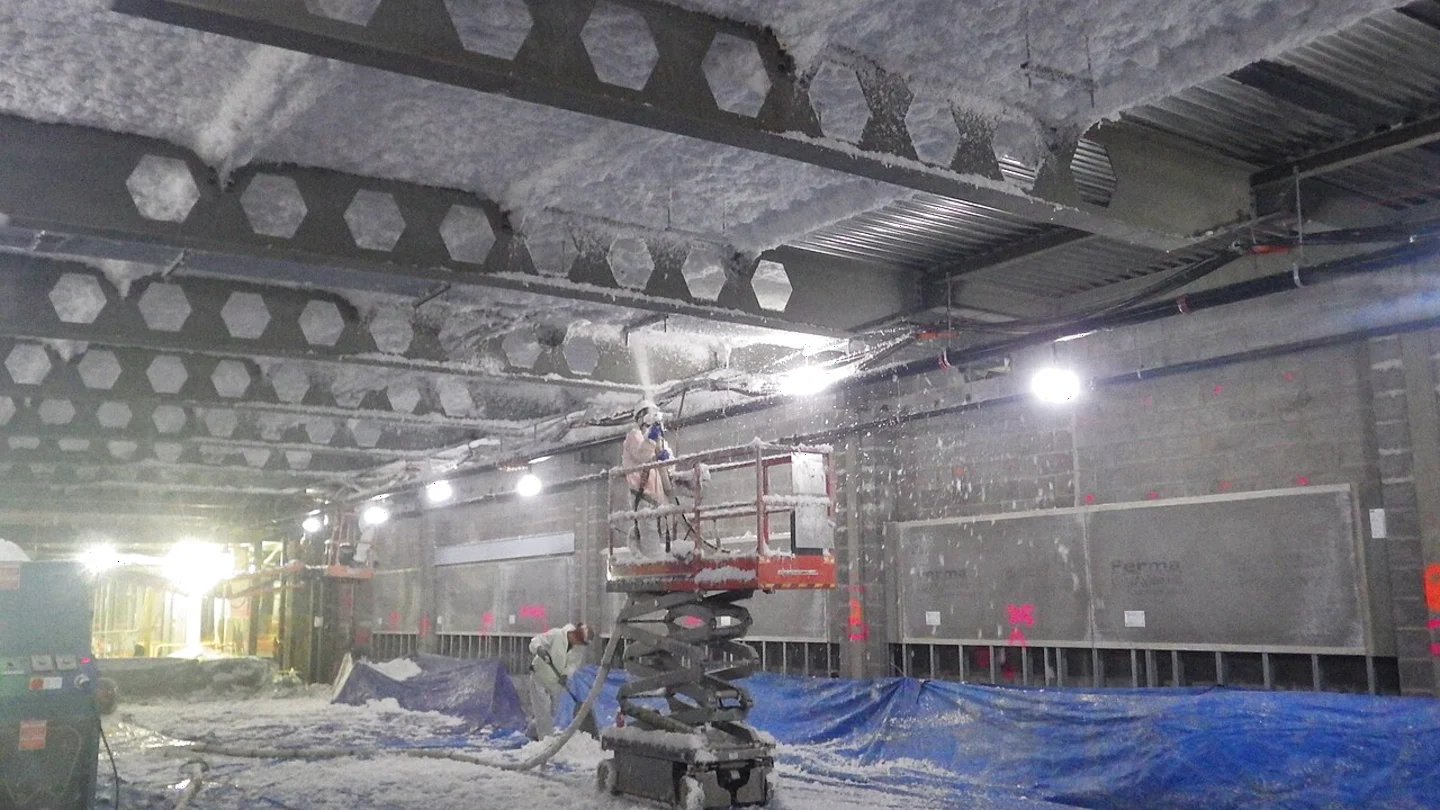
Flat Roof Deck Industrial Polyurethane Seal
"Significantly reduced rooftop thermal transfer across our 12,000 sq ft distribution bay."
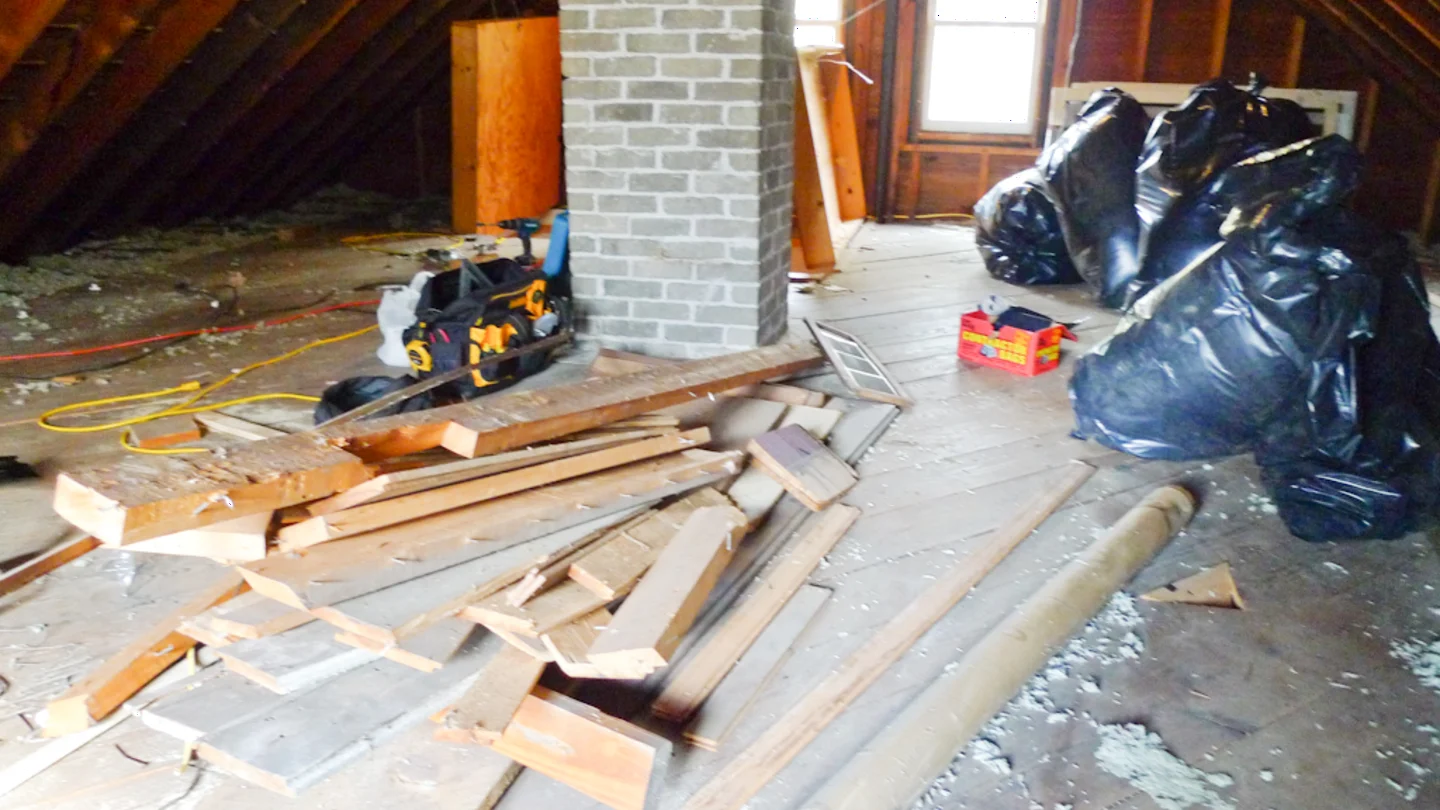
Old Cellulose Vacuum & Foam Air Sealing
"Extracted 35-year-old soiled cellulose in half a day, sealed all ceiling top plates, and restored fresh indoor air."
Compare Foam Chemistries & Systems
Tailored Insulation Tiers for Tennessee Climate Zone 4A
Every project includes on-site laser measurements, blower-door diagnostic review, and our lifetime adhesion guarantee. Select the ideal system for your attic, crawl space, or shop.
Open-Cell Economy
Cost-effective whole-attic roofline air sealing and superior acoustical sound damping
- Continuous Air Barrier Envelope
- Whole-Attic Roofline Conversion
- Sound Damping & Decibel Reduction
- Class II Vapor Retarder (< 1.0 Perm)
- IRC R806.5 Zone 4A Roofline Code Spec
- Structural Rigidity (+200-300% Shear)
- FEMA Class 5 Flood & Water Resistance
- Continuous Rim Joist & Sill Plate Sealing
- HVAC Ductwork Inside Conditioned Space
- 15–25% HVAC Energy Cost Reduction
- 40–50% Air Infiltration Drop (<3.0 ACH50)
- 20-Mil Anti-Microbial Sealed Ground Liner
- Low-Profile Commercial Dehumidifier
- Lifetime Thermal Adhesion Guarantee
Closed-Cell Premium
Maximum R-per-inch, built-in Class II vapor retarder, and 200%+ structural racking strength
- Continuous Air Barrier Envelope
- Whole-Attic Roofline Conversion
- Sound Damping & Decibel Reduction
- Class II Vapor Retarder (< 1.0 Perm)
- IRC R806.5 Zone 4A Roofline Code Spec
- Structural Rigidity (+200-300% Shear)
- FEMA Class 5 Flood & Water Resistance
- Continuous Rim Joist & Sill Plate Sealing
- HVAC Ductwork Inside Conditioned Space
- 15–25% HVAC Energy Cost Reduction
- 40–50% Air Infiltration Drop (<3.0 ACH50)
- 20-Mil Anti-Microbial Sealed Ground Liner
- Low-Profile Commercial Dehumidifier
- Lifetime Thermal Adhesion Guarantee
Turnkey CleanAir Hybrid
Engineered flash-and-batt or full crawl space encapsulation with commercial dehumidification
- Continuous Air Barrier Envelope
- Whole-Attic Roofline Conversion
- Sound Damping & Decibel Reduction
- Class II Vapor Retarder (< 1.0 Perm)
- IRC R806.5 Zone 4A Roofline Code Spec
- Structural Rigidity (+200-300% Shear)
- FEMA Class 5 Flood & Water Resistance
- Continuous Rim Joist & Sill Plate Sealing
- HVAC Ductwork Inside Conditioned Space
- 15–25% HVAC Energy Cost Reduction
- 40–50% Air Infiltration Drop (<3.0 ACH50)
- 20-Mil Anti-Microbial Sealed Ground Liner
- Low-Profile Commercial Dehumidifier
- Lifetime Thermal Adhesion Guarantee
Comprehensive Building Envelope Solutions
Recommended Add-On Services
Old Insulation Vacuum Removal
$1.25 – $2.00 / sq ftExtraction of dusty, compacted, or rodent-damaged fiberglass/cellulose down to clean joists.
FLIR Thermal Leakage & Blower-Door Audit
$250 – $450 (Credited)Diagnostic infrared imaging revealing air leakage points; fee credited toward installed project.
Foundation Rim Joist Foam Sealing
$850 – $1,850 TurnkeyMonolithic closed-cell sealing across basement or crawl space rim joists and mudsills.
NFPA 286 Intumescent Thermal Barrier
Itemized by Deck AreaCode-required fire-retardant ignition barrier coating for exposed attic/storage foam.
30-Second Assessment
Find Your Climate Zone 4A Insulation Solution
Answer 4 quick questions about your project to get an instant regional thickness, R-value, and cost estimate.
What type of space are you insulating?
Select your project application to begin our 30-second Climate Zone 4A assessment.
Where we work
Serving Hamilton County, TN & North Georgia
Top questions, answered
Frequently asked questions
- How much does spray foam insulation cost in Chattanooga?
- In Chattanooga, open-cell spray foam runs $1.50 to $2.25 per board foot and closed-cell runs $2.25 to $3.50 per board foot. For a typical 2,000 sq ft home, converting an attic roofline to closed-cell foam costs $5,000 to $9,500 turnkey before energy tax credits.
- What's the difference between open-cell and closed-cell spray foam?
- Open-cell averages R-3.7 per inch, stays vapor-permeable, and works well for interior sound dampening and air sealing. Closed-cell averages R-6.7 per inch, acts as a Class II vapor retarder, and belongs wherever moisture poses risks: unvented rooflines, rim joists, metal buildings, and crawl space walls.
- Should I seal my attic or just add more insulation?
- If your ductwork or HVAC equipment sits in the attic, sealing the roofline with spray foam and conditioning the attic brings that equipment inside the thermal envelope. If the attic is empty and vented, air-sealing the ceiling plane and blowing fiberglass or cellulose to R-49 is the most cost-effective upgrade.
- Should I encapsulate my crawl space or insulate under the floors?
- In humid IECC Zone 4A, encapsulation wins over subfloor fiberglass batts. Floor insulation alone leaves a damp, vented crawl space that pushes humidity into the living space and wets the subfloor. Encapsulation seals the ground and foundation walls so moisture stops at the source.
- Why are my hardwood floors cupping?
- Hardwood cupping usually comes from high moisture in the crawl space below. A damp, vented crawl space wets the subfloor from underneath. Encapsulation paired with a crawl space dehumidifier lowers wood moisture content so the boards flatten back out.
- Will spray foam stop my metal roof from sweating?
- Yes. Applying two inches of closed-cell spray foam directly to the underside of steel roof decking stops roof sweating completely. It seals out humid ambient air and keeps the metal surface above the dew point so condensation cannot form or drip.
- How much does spray foam cost for a 40x60 metal shop?
- A 40x60 steel shop sprayed with 2 inches of closed-cell foam on the walls and roof deck typically runs from the mid-four figures to low-five figures depending on eave height, framing profile, and roof pitch. A site measurement gives you a firm price.
- Can you spray foam over existing attic insulation?
- Only if the existing material is dry, clean, and uncompressed. For roofline conversions or damp attics, crews vacuum out old fiberglass or cellulose first so the new foam bonds directly to clean sheathing and framing.